
Creative Props for Newborn Portraits That Stand Out
Creative props transform newborn portraits from simple documentation into unique memories, shaping the look and feel of every frame. A single textured blanket or a vintage wooden crate can turn a quiet moment into a lasting image, while a soft hat or a hand sewn wrap often adds a sense of warmth or whimsy. Most photographers use just one to three props per session to keep the focus on the baby, avoiding clutter that can distract from tiny hands or a peaceful expression. Fabrics must be breathable and free of loose fibers, with no sharp corners or small pieces that could pose a risk. Comfort and safety guide every choice, as even the most striking item is set aside if it causes fussiness or leaves marks on delicate skin.
How props change the mood of photos
Blankets, baskets, and hats shape newborn portraits by suggesting comfort, whimsy, or tradition. These objects influence the emotional tone, making the images gentle or lively. Textures and colors from props often become visual anchors that frame the baby’s expression and posture.
A hand knit wrap in soft earth tones can evoke warmth and security, while a vintage suitcase or travel trunk hints at adventure and new beginnings. Placing a floral crown invites a sense of innocence and seasonal celebration. The difference between a rough wooden crate and a plush velvet cushion shifts the whole atmosphere of the photograph.
Careful prop selection avoids distractions and highlights the newborn’s features or family story. Overly bold items can overwhelm the scene, but subtle details reinforce a chosen mood or narrative.
What makes a prop safe for newborns
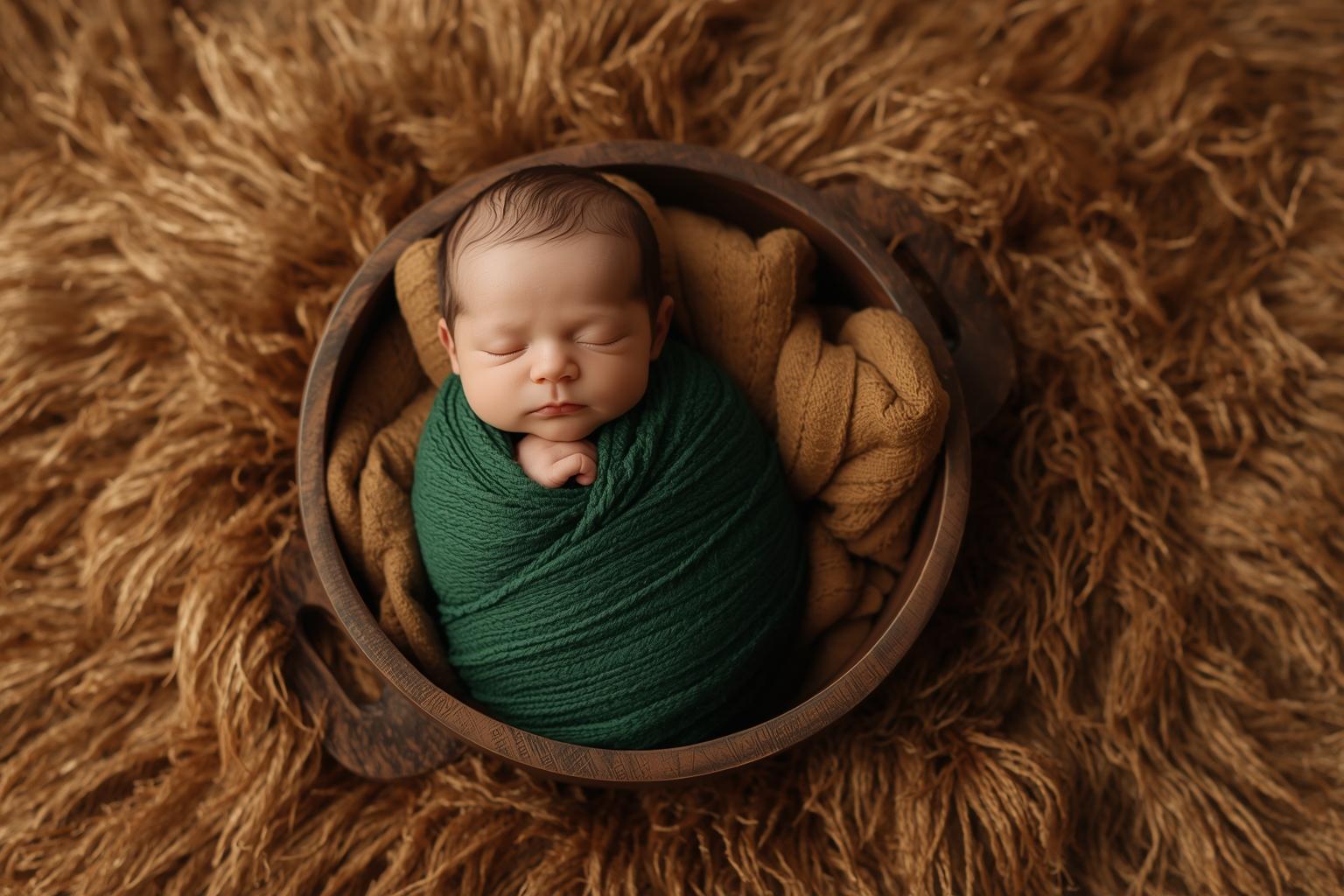
Props for newborn photography must feature smooth finishes, no sharp edges, and be made from non toxic materials. Stability matters most because rolling or shifting poses a risk. Loose parts, small items, and anything that could unravel or splinter should be avoided altogether.
Wool and soft cotton fabrics work better than synthetics, which can irritate sensitive skin or trap heat. Wooden props must be sealed, sanded, and checked for hidden cracks, unlike plastic items that sometimes break under light pressure. Even a decorative ribbon can become hazardous if it wraps or tightens unexpectedly.
Oversized props or those with holes wide enough for limbs to slip through can cause entrapment or falls. Every item in the scene should be checked for hidden hazards before each session begins.
Why some props work better than others
Props that succeed in newborn portraits are usually soft, lightweight, and sized to suit a baby's body. Materials matter: scratchy or rigid textures can leave marks or make the infant fussy. Items that are easy to clean also reduce stress after inevitable accidents.
A woven basket filled with a fleece blanket supports safe positioning and frames the baby naturally. Overlarge stuffed toys, by contrast, can overshadow the newborn or make gentle posing impossible. Stretchy wraps allow for swaddling in different styles, which helps keep the baby calm and secure.
Choosing props that blend comfort with visual appeal leads to more usable shots and less frequent disruption. When a prop fits well, the session flows with fewer pauses for adjustment.
How to choose props that feel personal
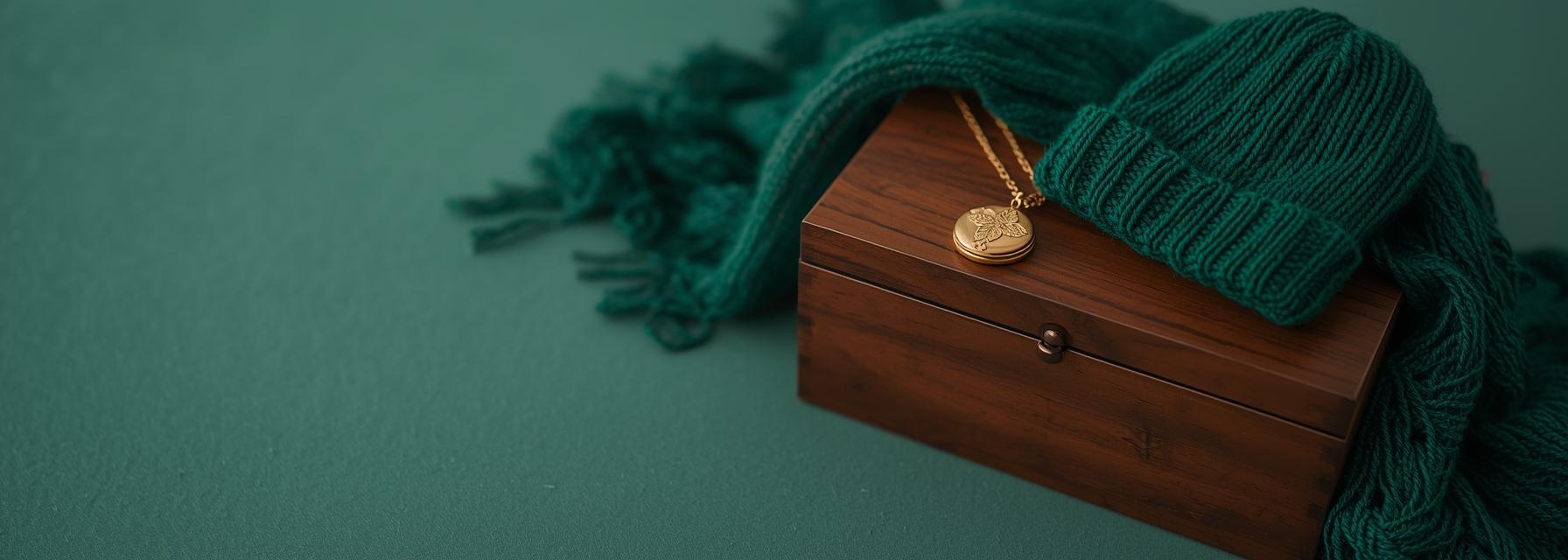
Family heirlooms, handmade blankets, or favorite storybooks can transform a newborn portrait into a visual memory that carries meaning beyond the moment. Props chosen with intention often spark conversation and add emotional depth, while generic accessories tend to fade into the background. Portraits that reflect the family's identity often become treasured keepsakes for years.
Incorporating family heirlooms or keepsakes
Photographs gain emotional weight when they include objects with family stories behind them. Heirlooms and keepsakes can transform a portrait from decorative to deeply personal.
Hand-knitted blankets passed down through generations add texture and a sense of continuity. A grandparent’s locket or a parent’s childhood toy brings a quiet narrative into the frame.
Items made of soft fabric, wood, or metal without sharp edges work best. Fragile ceramics or anything that could splinter should be kept out of reach and never placed close to the baby.
Limit the number of small objects to three per session for safety and visual clarity. Place each item within arm’s reach of an adult at all times.
Customizing props for a unique touch
Personalized props transform standard newborn portraits into family keepsakes with a distinct identity. Small details such as a unique color palette or the baby's name can be the point where the portrait becomes memorable rather than generic.
| Customization Method | Example | Time to Prepare | Best For | Potential Drawback |
|---|---|---|---|---|
| First name embroidered | Baby's name stitched on a pillow or soft toy | 2-5 days | Highlighting identity in close-up shots | Some embroidery threads may irritate sensitive skin |
| Custom color palette | Props in the nursery's main colors | 1-2 days if prepped in advance | Cohesive look with home décor | Limited options if colors are rare or non-standard |
| Themed headwear | Handmade crown matching a family tradition | 3-7 days | Celebrating cultural or seasonal events | Intricate designs may distract from facial features |
| Birth date blocks | Wooden blocks displaying the exact birth date | 1 day with ready materials | Recording a specific milestone visually | Props can overshadow the baby if oversized |
| Personalized swaddle fabric | Name or message printed on the wrap | 3-10 days, varies by provider | Creating a one-of-a-kind background | Print quality may vary by supplier |
Custom elements often require more planning but add significant sentimental value. When using text or names, clear and legible fonts prevent confusion in the final image.
Props with personal stories tend to create a stronger emotional connection in newborn portraits. Selecting items that resonate with family history or the baby's early interests ensures every image tells a story unique to that child.